There is a particular kind of exhaustion that has nothing to do with physical effort. It is the feeling of standing in a bank branch in Rawalpindi for forty minutes, unsure whether the crowd around the counter constitutes a line, watching someone who arrived after you get served first because they knew which elbow to use. Multiply that scene across clinics, NADRA offices, utility centres, and hospital reception desks, and you have one of the most universally shared frustrations in Pakistani daily life.
What makes the problem worth writing about is that it is thoroughly solvable, and the institutions that have solved it did not need bigger buildings or double the staff. They needed to replace the crowd with a number. Token-based queue management sounds almost too simple to matter, yet it changes the psychology of a waiting room, the productivity of the counters, and the data available to the managers upstairs. This piece examines how, and why service businesses beyond banking are borrowing the idea.
Disorder Has a Measurable Cost
Researchers who study waiting have found a consistent result: perceived wait time matters more than actual wait time, and uncertainty is what inflates perception. A customer who knows they are seventh in line and can see the numbers advancing experiences a twenty-minute wait as tolerable. A customer facing an undifferentiated crowd experiences the same twenty minutes as an ordeal, and a meaningful share simply leave.
For a bank, each walkaway might be a missed account opening or a remittance handled by a competitor. For a private clinic, it is a patient who books elsewhere next time. These losses never appear on any report, because abandoned visits are invisible by definition, which is precisely why managers underestimate them for years.
What a Token Actually Buys the Customer
The moment a visitor takes a numbered ticket from a kiosk, three things change. Their place is guaranteed, so hovering near the counter becomes pointless and the room physically relaxes. Their expected wait becomes visible on a display, which converts anxiety into patience. And the queue becomes just, because no amount of confidence or connections moves anyone ahead of their number. In a service culture where queue-jumping is a daily irritant, that enforced fairness is quietly radical.
Institutions deploying a modern queue management system also gain flexibility that a rope-and-stanchion line can never offer: separate ticket streams for pensioners, priority service for premium account holders, and dedicated counters for quick transactions, all running in parallel without a single argument at the counter.
Clinics and Hospitals: Where Waiting Meets Wellbeing
Healthcare waiting rooms raise the stakes. A crowded, uncertain wait is unpleasant in a bank; in a clinic it means feverish children pressed together for hours and elderly patients standing because seats are hoarded by families holding places. Token systems let patients register once and then sit, step outside, or attend to a child, confident their number will be called in order.
Hospitals in Lahore and Islamabad that digitised their outpatient queues report a second-order benefit: department-level data. Management can finally see that dermatology runs forty-minute waits while cardiology runs ninety, and rebalance rooms and rota accordingly. Before the tokens, that imbalance was a rumour; after, it is a dashboard.
The Counter Staff Benefit Too
Discussion of queues usually centres on customers, but ask a teller what a disorganised hall feels like from the other side. Every transaction happens under the gaze of a pressing crowd, interruptions are constant, and disputes about turn order land on the staff to referee. Calling customers by number removes the crowd from the counter’s edge, cuts interruptions, and measurably reduces the daily friction that burns out front-line employees.
There is an accountability dimension as well. Per-counter statistics show how many customers each station served and how long transactions took. Used fairly, this identifies training needs and justifies staffing requests with evidence rather than pleading.
Choosing a System That Survives Pakistani Conditions
Not every kiosk sold online will endure load-shedding, dust, and two hundred touches an hour. Buyers should insist on hardware with local service coverage, software that supports Urdu alongside English on displays and tickets, and architecture that keeps issuing tokens when the internet drops. Integration matters too: a system that can later connect to SMS notifications or a mobile app extends its life by years.
The vetting logic is familiar from personal finance, where sensible readers check credentials and reviews to find quality service providers before entrusting anyone with their money. Apply the same scrutiny here: ask for reference sites you can visit, confirm spare-parts availability, and get response-time commitments in writing rather than in conversation.
Lessons Flowing In from the Service Lane
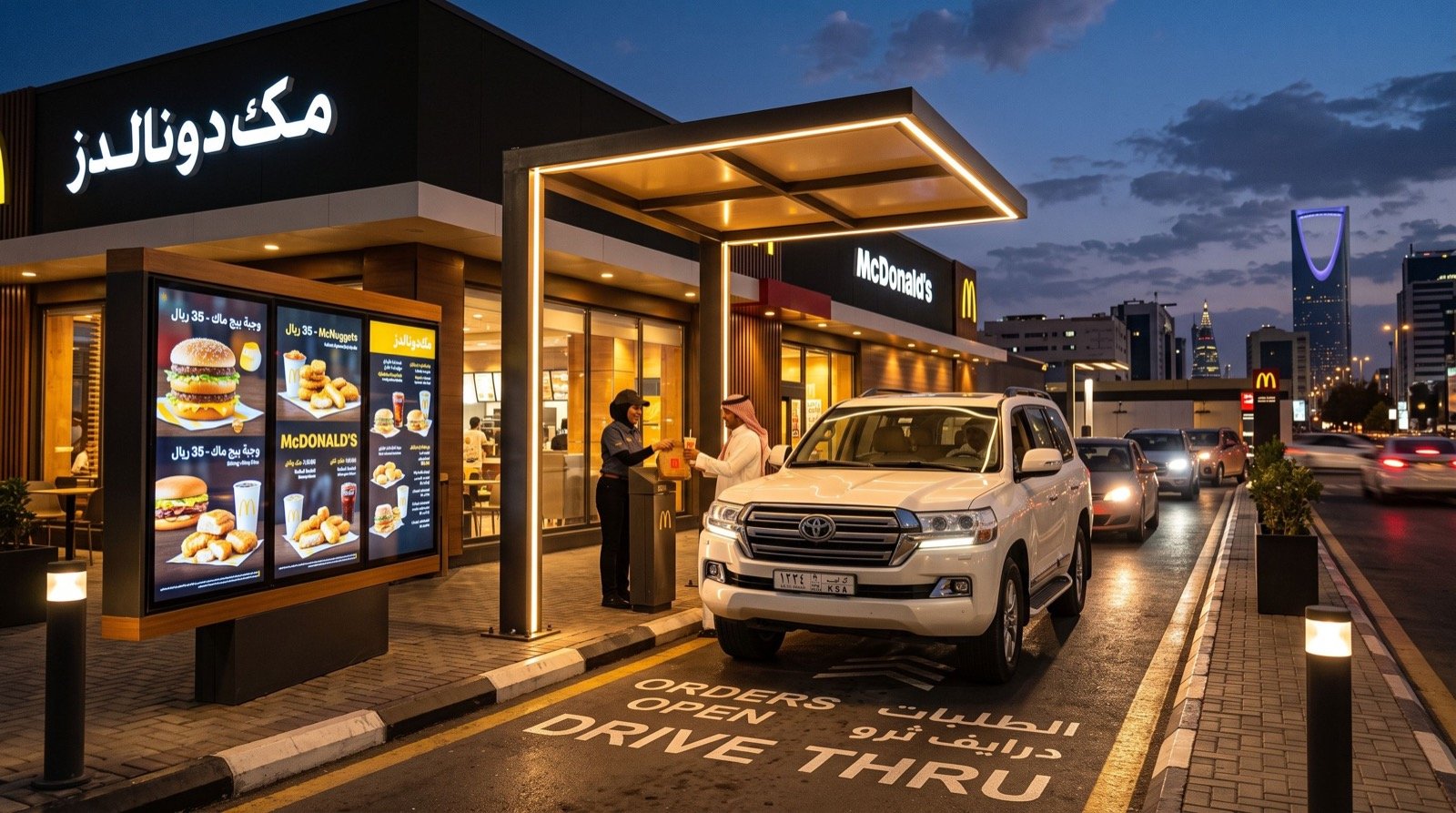
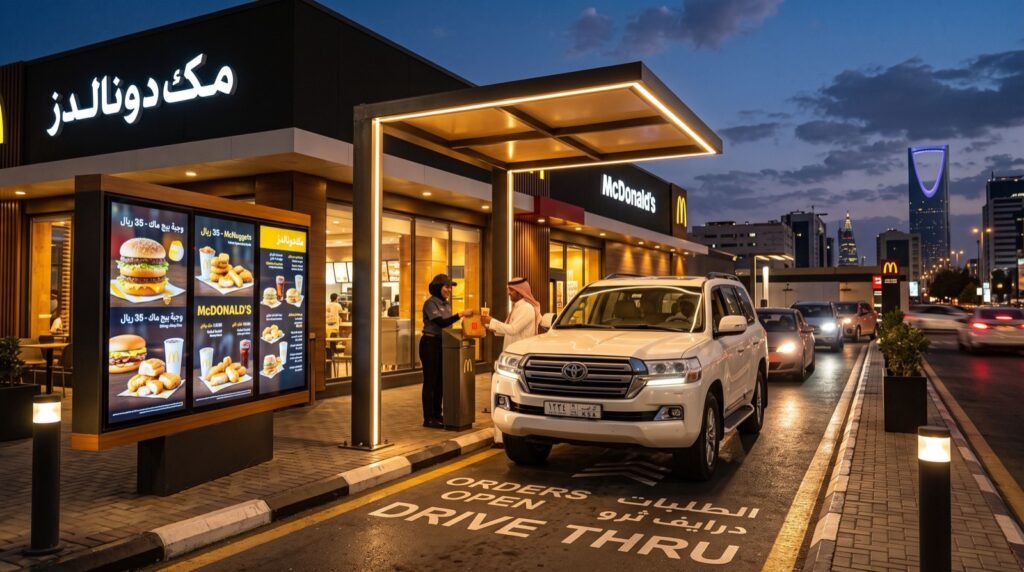
Interestingly, some of the best thinking about wait times in Pakistan is arriving from an unexpected direction: the fast-food industry. Restaurant chains have spent years optimising vehicle queues with wireless audio and per-car timing, and suppliers of HME drive thru in pakistan installations have accumulated deep expertise in measuring and shrinking service cycles. Banks and pharmacy chains studying those techniques are now experimenting with drive-up windows and express counters of their own.
The cross-pollination runs both ways. The core insight transfers cleanly across industries: any service interaction can be timed, and anything timed can be improved. Whether the queue contains cars or people holding paper slips, the discipline is identical.
Key Takeaways
- Uncertainty, not duration, is what makes waiting feel unbearable and drives customers to abandon visits.
- Numbered tokens guarantee turn order, calm the room, and eliminate queue-jumping disputes.
- Clinics gain patient comfort and department-level wait data that exposes hidden bottlenecks.
- Counter staff work with fewer interruptions, and per-counter statistics make staffing debates factual.
- Buy systems with Urdu support, offline resilience, and written local service commitments.
- Techniques honed in fast-food service lanes are now improving queues in banking and healthcare.
Conclusion
A waiting room is a message. A chaotic one tells every visitor that their time is worthless and their fairness negotiable; an orderly one tells them the institution respects both. For Pakistani banks, clinics, and public offices, the technology to send the better message is affordable, locally supported, and proven across thousands of installations worldwide.
The institutions that move first will collect an advantage that compounds quietly: customers who choose the branch where waiting feels civilised, patients who return to the clinic that respected their afternoon, and managers who make decisions from real service data instead of guesswork. In a market where most competitors still let the crowd sort itself out, an orderly queue is a differentiator hiding in plain sight.