How to Choose a Storage Unit Size in Saudi Arabia (2026)
Choosing the right storage unit size in Saudi Arabia is the single decision that most affects what you pay and how convenient your storage feels day to day. Pick a unit that is too small and you cannot fit everything; pick one too large and you pay every month for empty air. This 2026 guide walks you through sizing your unit accurately, so you rent exactly the space you need in Riyadh, Jeddah, Dammam, or anywhere across the Kingdom.
Getting the size right is easier than most people expect. With a simple inventory, a few measurements, and an understanding of how storage volume works, you can book with confidence instead of guessing. Let us break the process down step by step.
Why the Right Storage Unit Size Matters
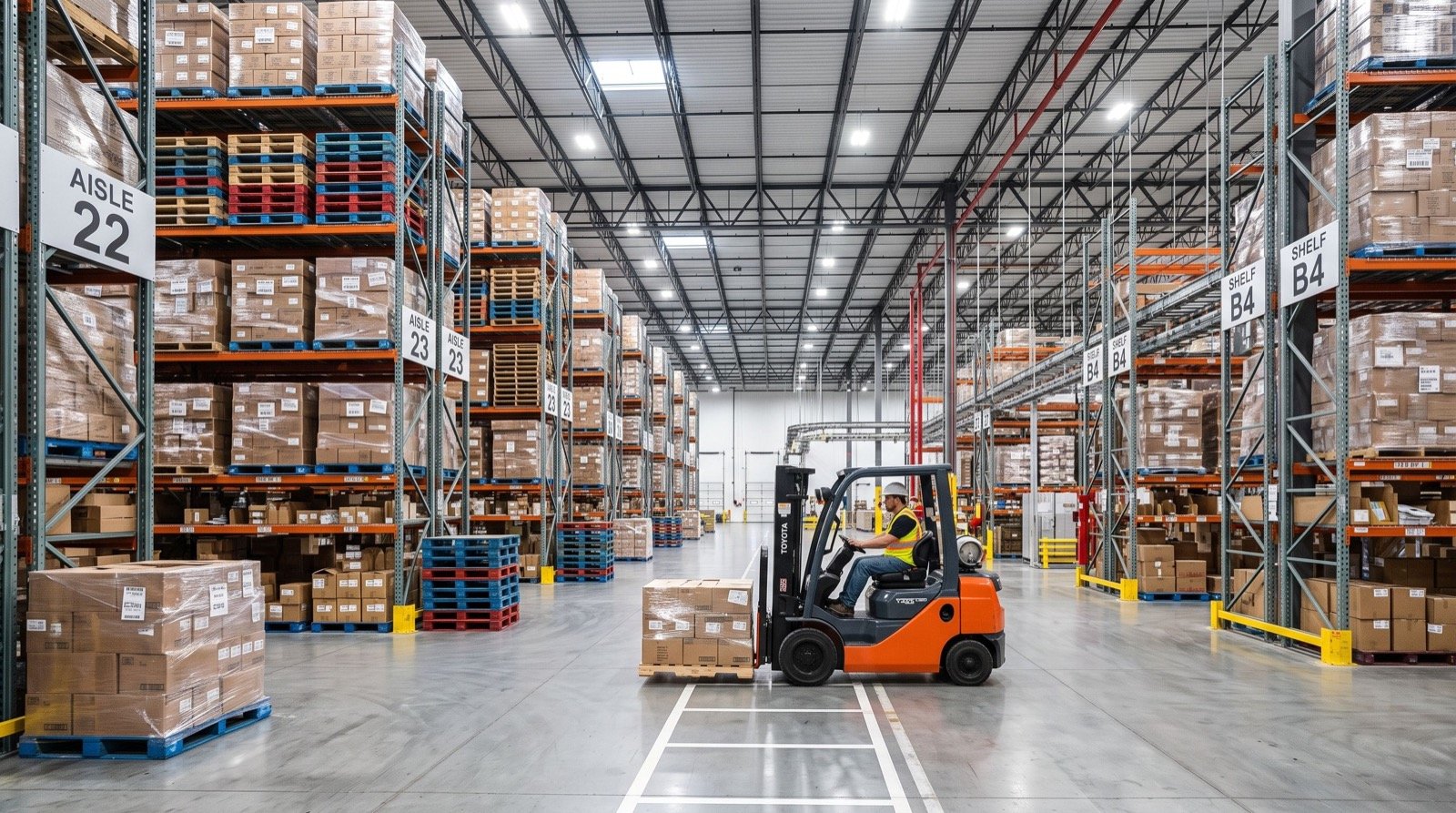
Storage is priced by space, so size directly controls cost. But it also shapes usability. A well-sized unit lets you create aisles, stack safely, and reach items without unloading half the room. An oversized unit wastes money, while an undersized one forces risky overstacking that can damage your belongings.
There is also a planning benefit. When you size correctly from the start, you avoid the hassle of upgrading mid-lease or renting a second unit. A little measuring up front saves both money and effort later, which is why it pays to treat sizing as a real task rather than a guess at the counter.
Volume, not just floor area
People often think in square metres, but storage is really about cubic space. A unit with a high ceiling holds far more than its floor area suggests once you stack properly. When comparing options, ask about height as well as floor size, because vertical space is often the cheapest capacity you can buy. Moving specialists such as the American Moving and Storage Association recommend estimating storage needs by volume rather than floor area alone, precisely because ceiling height changes how much a unit truly holds.
Common Storage Unit Sizes and What They Fit
Standard units follow rough size bands that map neatly onto real-life needs. The table below gives a practical starting point for the Saudi market.
| Unit Size | Approx. Area | Typically Fits |
|---|---|---|
| Locker / small | 1–3 m² | Boxes, documents, seasonal items |
| Medium | 4–7 m² | Contents of a one-bedroom flat |
| Large | 8–12 m² | Two to three-bedroom home |
| Extra large | 13 m²+ | Large villa, business inventory, vehicles |
These bands are guidelines, not guarantees. How much you actually fit depends on how you pack, whether items disassemble, and how much access you need. Treat the table as a shortlist tool, then refine with your own inventory.
A Step-by-Step Method to Size Your Unit
Follow this simple process to estimate the right size before you visit a facility:
- List everything you plan to store, grouped by room or category.
- Note bulky items such as sofas, wardrobes, appliances, and mattresses separately.
- Estimate box count and remember that most boxes stack two or three high safely.
- Add an access allowance of roughly 20% if you need to reach items regularly.
- Round up to the next size band rather than squeezing into the smallest option.
That access allowance is the step most people skip. If you plan to retrieve things often, you need room to walk in and move around; a unit packed wall to wall becomes useless the moment you need something from the back.
Matching the unit type to your goods
Size is only half the decision; the environment matters too. Everyday household goods that tolerate room temperature are fine in standard Dry Storage, which keeps items safe from dust and moisture without added cost. This is the right choice for furniture, tools, books, and most boxed belongings.
Businesses in the eastern region storing packaged stock or general merchandise often prefer Ambient Storage in Dammam, which holds a stable room-temperature environment for goods that must not overheat but do not need refrigeration. Choosing the correct environment prevents both spoilage and overspending on cooling you do not require.
Packing Smart to Use Less Space
Clever packing can shrink the unit size you need by a full band. Try these techniques:
- Use uniform box sizes so they stack tightly without wasted gaps.
- Disassemble bed frames, tables, and shelving to store them flat.
- Fill hollow items like drawers and suitcases with smaller belongings.
- Store sofas and mattresses upright on their sides to free floor space.
- Build stable stacks with heavy boxes at the bottom and light ones on top.
These habits do more than save money; they keep your unit organised and reduce the risk of crushed or toppled items. A well-packed medium unit often holds what a carelessly packed large one struggles to fit.
When in doubt, ask an expert
If you are still unsure, describe your inventory to the facility team before booking. Talking to reputable service experts who see thousands of moves each year gives you a realistic size estimate and often a few packing tips you had not considered. A five-minute conversation can save you from renting the wrong size entirely.
Frequently Asked Questions
What size storage unit do I need for a one-bedroom apartment?
A medium unit of roughly 4 to 7 square metres usually holds the contents of a one-bedroom flat, including a bed, sofa, appliances, and around a dozen boxes. Disassembling large furniture helps you fit comfortably within that band.
Is it better to rent a slightly bigger storage unit?
If you are between sizes or expect to add items, rounding up is wise. A little extra room lets you create aisles and access belongings easily. Just avoid jumping two full bands, since that wastes money on unused space.
What is the difference between dry storage and ambient storage?
Dry storage protects goods from dust and moisture at prevailing conditions, ideal for furniture and boxed items. Ambient storage adds a stable room-temperature setting for goods that must not overheat, making it a common choice for packaged business stock.
How can I fit more into a smaller storage unit?
Use uniform boxes, disassemble large furniture, store items vertically, and fill hollow spaces inside drawers and cases. Smart packing frequently lets a medium unit hold what would otherwise need a large one, saving you money each month.
Conclusion
Choosing a storage unit size in Saudi Arabia comes down to a clear inventory, an honest look at how often you will need access, and packing smartly to make the most of every cubic metre. Start with the size table as a guide, refine it with your own list, and match the unit environment to your goods. Do that, and you will book the right storage unit size in 2026 with confidence, paying only for the space you truly use. Measure once, pack well, and enjoy storage that fits your life and your budget.