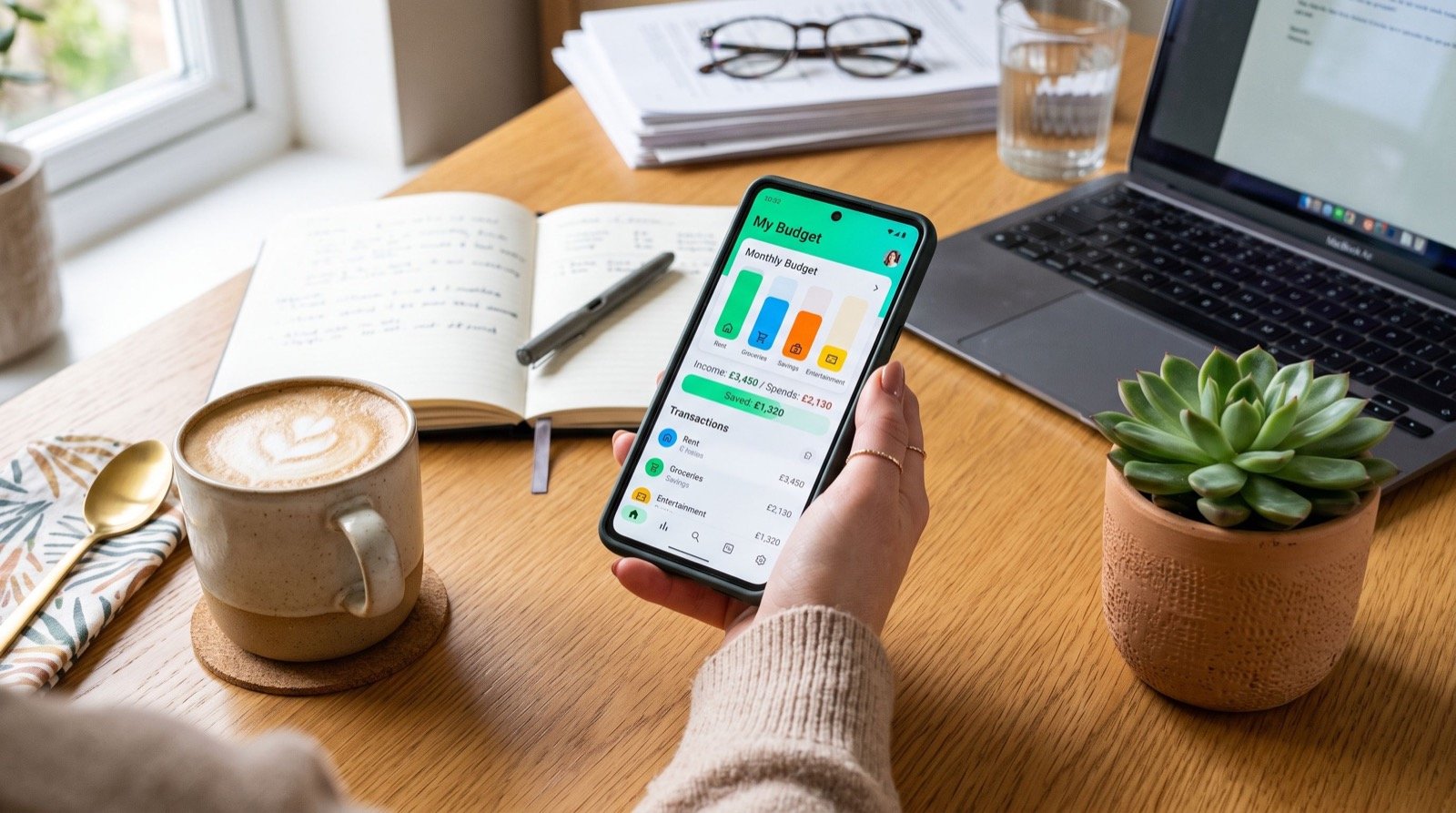
Getting a real handle on your finances doesn’t require a finance degree, a strict spreadsheet, or hours of budgeting every week. It just requires the right tools and a few good habits, most of which can run quietly on your phone. Modern money apps track your spending automatically, nudge you to save, and show you exactly where you stand at any moment. This shifts money management from a stressful chore into something almost effortless. In this guide, we’ll show you how to put your money to work for you, using simple tools and habits that anyone can adopt.
Managing money used to mean spreadsheets, paper statements, and a whole lot of guesswork. Today, the right apps put your entire financial life in your pocket, making it easier than ever to spend smart, save consistently, and actually understand where your money goes. Whether you’re trying to build an emergency fund, pay down debt, or simply stop wondering where your paycheck disappeared to, technology has quietly made the whole process simpler. In this guide, we’ll walk through the money apps and habits that genuinely help you take control of your finances without the stress.
Track Bills and Subscriptions
Forgotten subscriptions are one of the most common silent budget killers. That streaming service you no longer watch, the app you signed up for once, or the membership you meant to cancel can quietly cost you month after month. Apps that surface all your recurring charges in one place make it easy to spot these leaks, cancel what you don’t use, and keep your spending lean. Reviewing your subscriptions regularly is a quick habit with an outsized payoff. It’s astonishing how much money people recover simply by seeing all their recurring charges clearly and cutting the ones that no longer earn their place.
Build a Budget That Sticks
A budget only works if it actually fits your real life – overly strict budgets tend to collapse within weeks. The best budgeting apps help you set realistic, personalized limits based on your genuine spending, then gently keep you on track with reminders and progress updates. Instead of feeling like a punishment, a good budget becomes a helpful guide that gives every dollar a purpose. This shift in mindset, from restriction to intention, is what makes a budget sustainable. When your budget reflects how you truly live and spend, sticking to it stops being a battle and starts being a natural part of your routine. That’s exactly what the best money apps help you do.
Avoid Sneaky Fees
Hidden fees quietly drain your balance in ways that are easy to miss – overdraft charges, ATM fees, monthly account fees, and more. Over a year, these small charges can add up to a surprising amount of money that simply vanishes for no good reason. Knowing which apps and accounts keep fees low, and being aware of where charges hide, means more of your money stays exactly where it belongs: with you. Many modern finance apps and digital banks pride themselves on minimal or zero fees. Taking a little time to understand and avoid unnecessary charges is one of the simplest ways to keep more of what you earn.
Make Money Management a Routine
Getting your finances in order isn’t a one-time event; it’s an ongoing habit. A quick weekly check-in – reviewing your spending, checking your goals, and catching any surprises – keeps you firmly in control and stops small problems from snowballing into big ones. Building this brief routine into your schedule, perhaps alongside something you already do each week, makes it stick. Over time, staying on top of your money becomes second nature rather than a source of stress. This small, consistent attention is what separates people who feel calm and in control of their finances from those who feel constantly anxious about them. The right tools matter everywhere, whether in finances or reputable service experts.
Small Habits, Big Results
It’s easy to dismiss small financial choices as trivial, but they’re often where real change happens. Skipping one unnecessary purchase, rounding up your spare change, or moving a few dollars into savings might seem insignificant in the moment. Repeated consistently over months and years, though, these tiny habits compound into substantial savings. The right apps make these small actions automatic and effortless, so you build wealth in the background without constant decisions or sacrifice. The lesson is powerful and encouraging: you don’t need a dramatic income jump to improve your finances. You just need small, good habits, repeated reliably, with a little help from technology.
Set Goals You Can Reach
Saving money in the abstract is hard; saving for something specific is far easier and more motivating. Whether it’s a vacation, an emergency fund, a new phone, or paying off a credit card, clear goals give your saving real purpose. Money apps let you set these targets and watch your progress climb, which makes the whole process genuinely rewarding rather than a joyless sacrifice. Breaking a big goal into smaller milestones keeps you motivated along the way. Seeing that progress bar fill up taps into a powerful sense of achievement, turning saving from something you dread into something you actually look forward to. If you’re getting started, personal finance tips are a great first step.
Key Takeaways
- Track Bills and Subscriptions: Forgotten subscriptions are one of the most common silent budget killers.
- Build a Budget That Sticks: A budget only works if it actually fits your real life – overly strict budgets tend to collapse within weeks.
- Avoid Sneaky Fees: Hidden fees quietly drain your balance in ways that are easy to miss – overdraft charges, ATM fees, monthly account fees, and more.
- Make Money Management a Routine: Getting your finances in order isn’t a one-time event; it’s an ongoing habit.
- Small Habits, Big Results: It’s easy to dismiss small financial choices as trivial, but they’re often where real change happens.
- Set Goals You Can Reach: Saving money in the abstract is hard; saving for something specific is far easier and more motivating.
The Bottom Line
Taking control of your money doesn’t have to be complicated or stressful. With the right apps and a few simple habits, you can spend smarter, save more consistently, and finally feel genuinely in charge of your finances. Start small, stay consistent, and let technology handle the heavy lifting in the background.
The best financial tool is ultimately the one you’ll actually use. Pick apps that fit naturally into your life, automate the boring parts, and let small, steady habits build real security over time. You don’t need a dramatic change or a bigger paycheck to make progress – just the right tools and a little consistency.